

Turning Research to Action Meet Becca Kelble, Prineville’s new LIT Coordinator
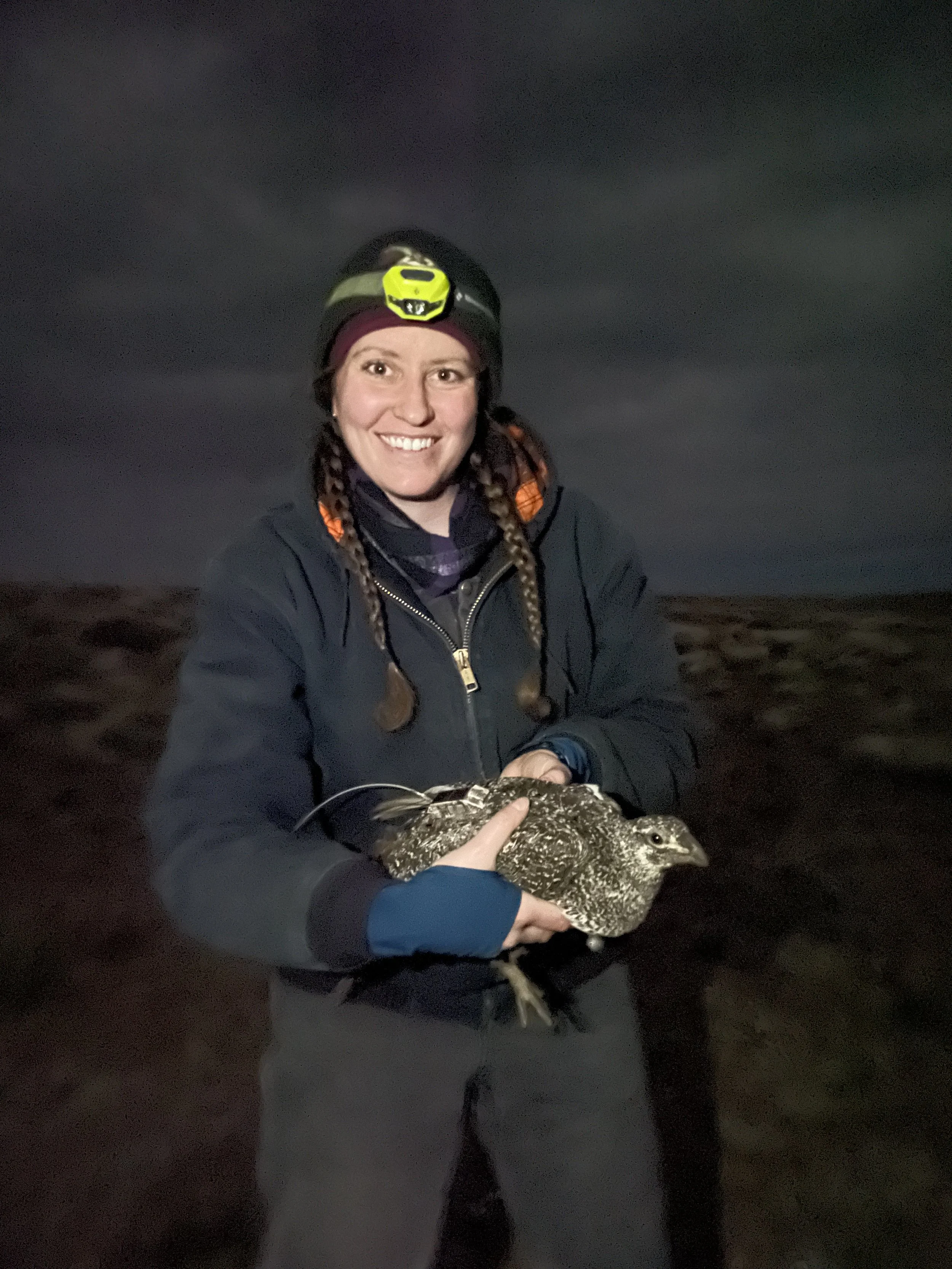
Photo by Lara Watrous
Starting in 2022, Becca Kelble started monitoring the sage-grouse populations between the towns of Brothers and Paulina, Oregon as a part of her master’s thesis research project. The populations outside Brothers were declining at a faster rate compared to populations outside Paulina and others across the sagebrush range. Becca hoped to determine what might be causing this decline, isolating the most critical threats, and how to potentially mitigate them.
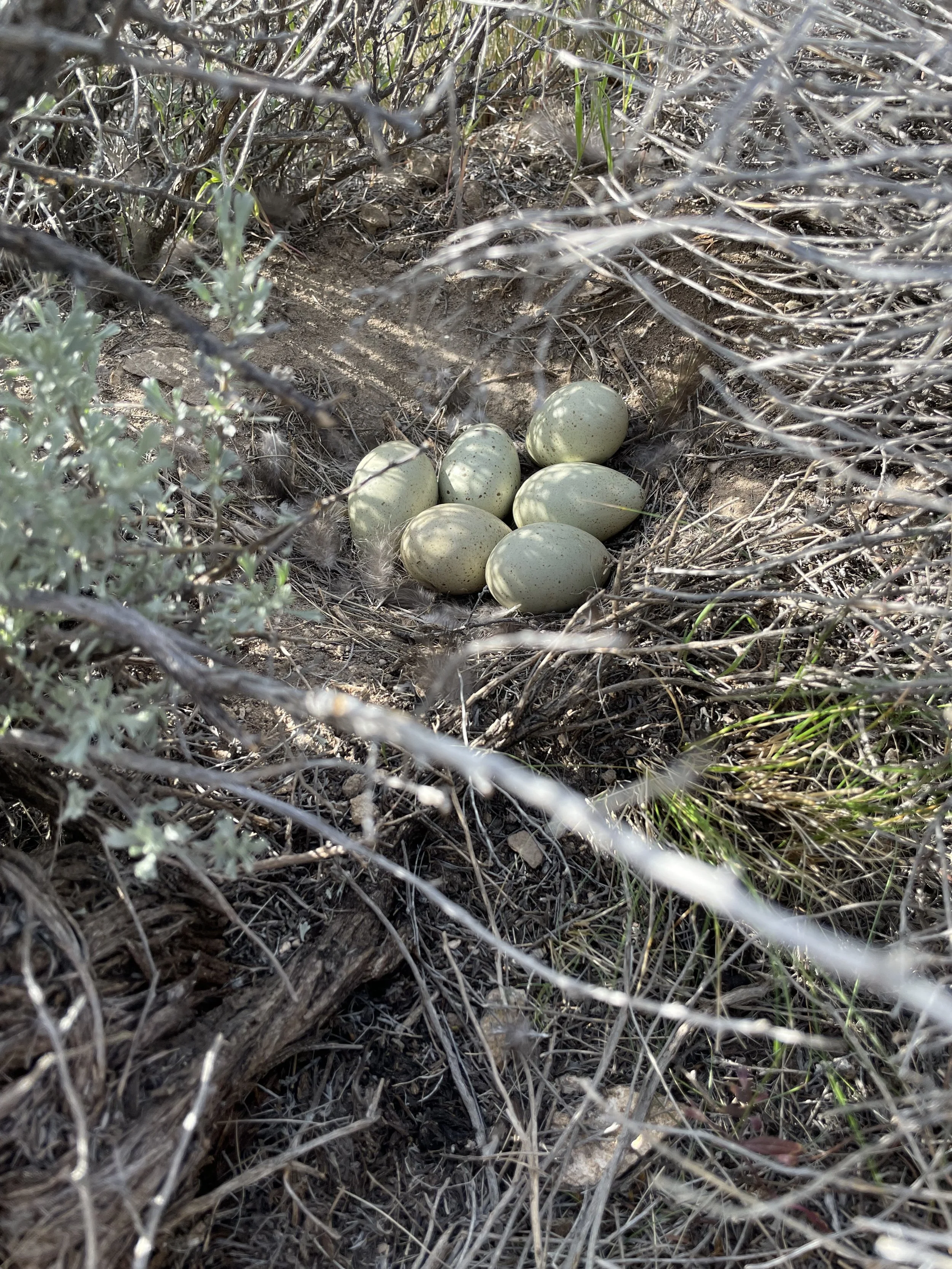
Photo by Becca Kelble
For three years, Becca monitored 70 female sage-grouse marked with GPS-satellite transmitters to estimate survival and examine movement, this included 106 nests, and 35 broods. Through this data collection, she determined which adult sage-grouse survived, which nests failed or succeeded, and whether chicks survived to become juveniles (a key indicator of population growth), and what she found was surprising! The Brothers populations, declining at a faster rate compared to Paulina, were actually doing better based on the data collection and estimation of survival rates for adults, nests, and chicks. These study area differences did not completely explain the survival patterns observed and warrant additional investigation. When comparing the survival rates to range wide survival rates, Becca hypothesizes the nesting life stage might be limiting to Central Oregon’s populations’ growth. Now that adult, nest, and chick survival has been estimated, the next step in the process will be estimating the population growth rates which should be able to test the hypothesis that the nesting life-stage is limiting to population growth. Becca also looked at the decisions sage-grouse make when choosing a place to nest and what might be influencing those decisions, since these populations are at the edge of the range of sagebrush and might be making decisions differently compared to other populations. Sage-grouse here in Central Oregon were picking nests in the same ways as the range wide expectations which means land managers can continue to follow range wide habitat recommendations for sage-grouse. These findings brought up additional questions of whether these birds were making other decisions than what we see across the range. Were they adapting or making changes in habits to survive? After publishing these findings, Becca is thrilled to have this work continue with other graduate students hoping they will find more indicators of possible causes for population declines and determine what is happening to these populations.
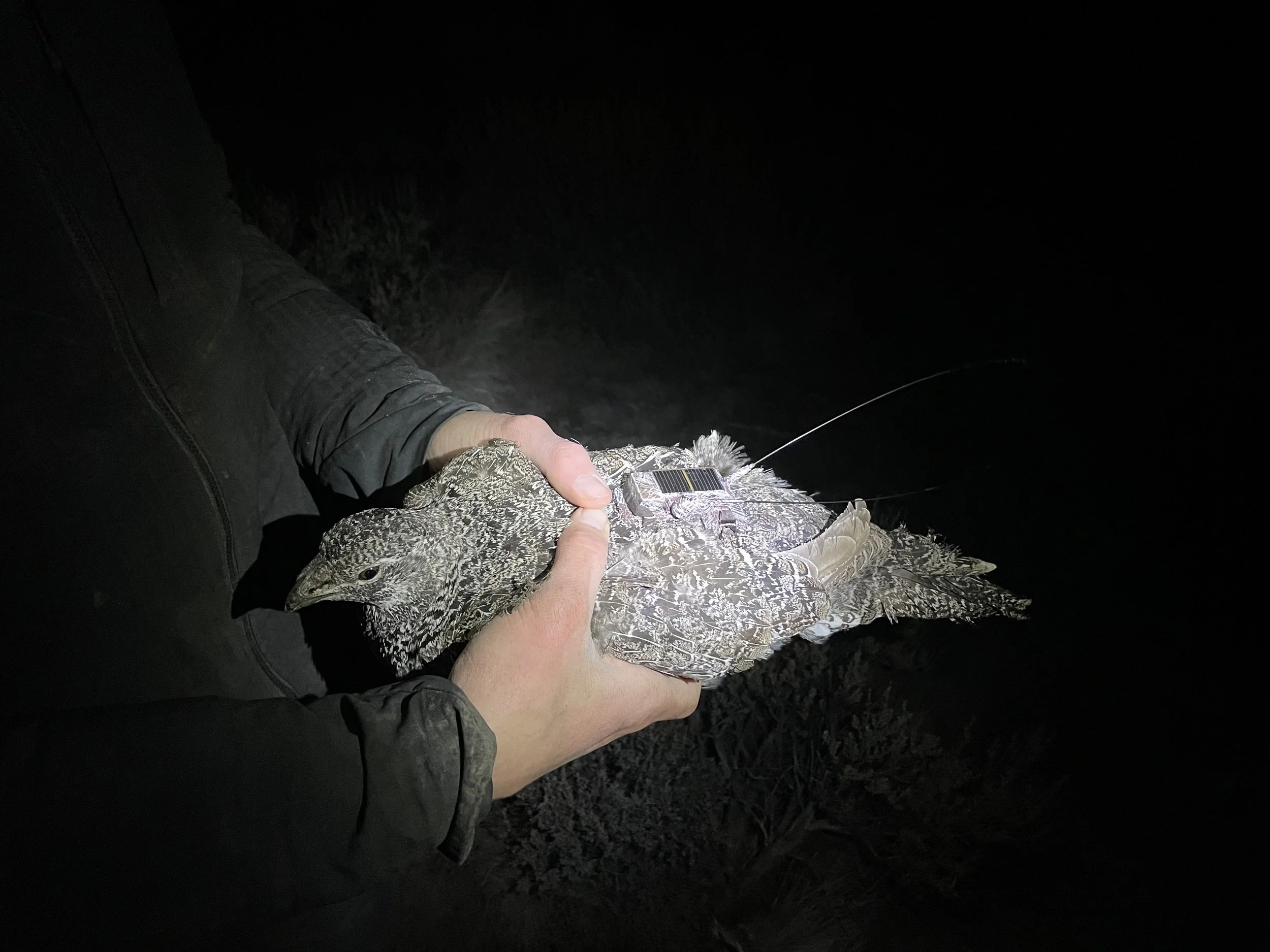
Photo by Becca Kelble
Now, Becca has completed her master's thesis and is focusing on her new role as Prineville’s Local Implementation Team coordinator. Drawn to the desert west from Midwest Wisconsin, Becca is looking forward to living in this desert landscape and using her understanding of the local threats to sage-grouse to develop projects that address these threats in the Central Oregon area. As she steps into this new role, she is treating her first year as a learning experience, bringing conservation folks to the table and making sure they communicate and collaborate across efforts for larger landscape scale effects! She hopes to find opportunities to support sage-grouse efforts beyond typical boundaries. If a rancher has an idea to mitigate impacts, how can other properties do the same - maximizing efforts and creating a greater reach.
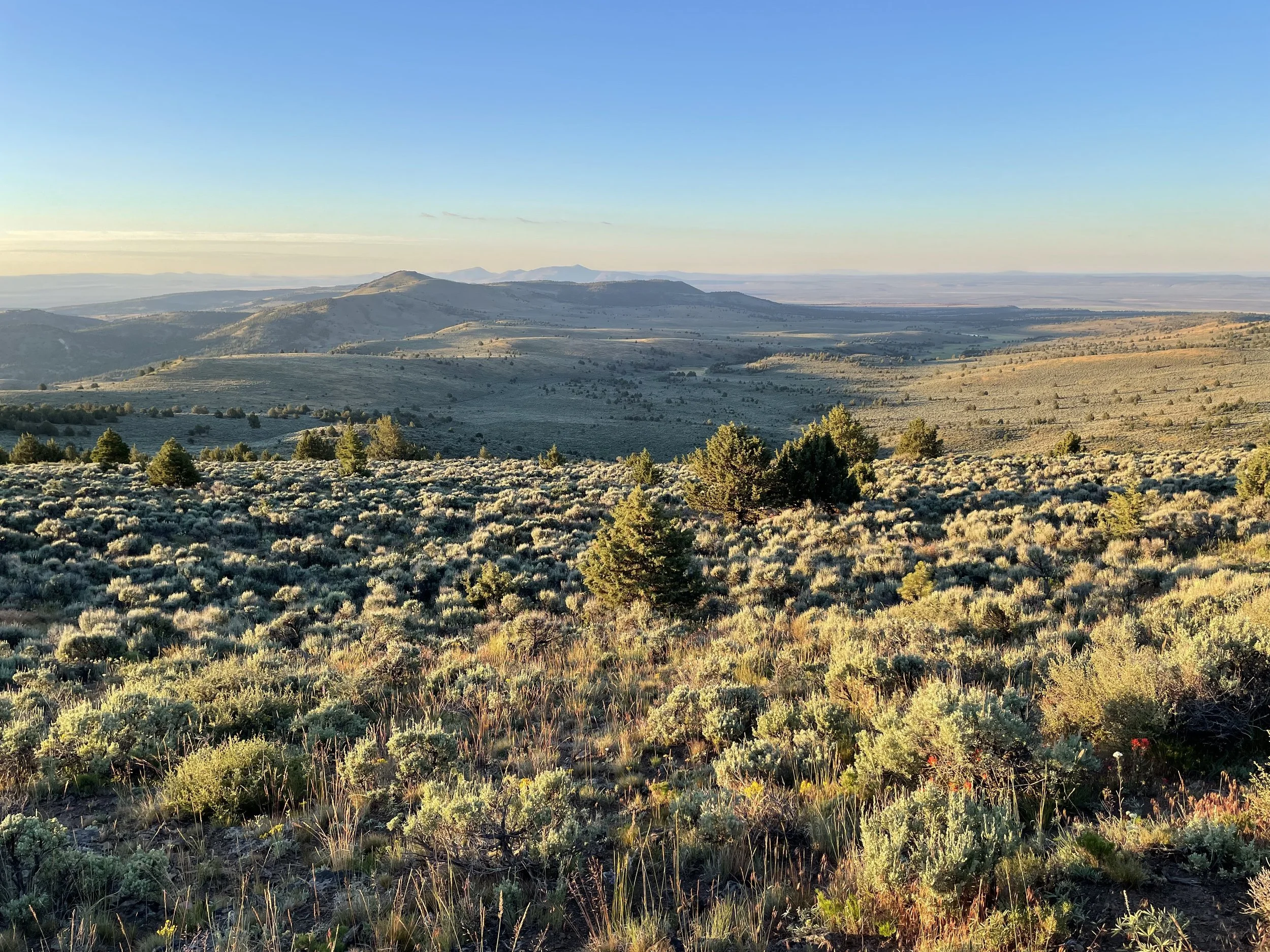
Photo by Becca Kelble
Knowing the Prineville LIT is an active group that has been successful in securing largescale funding, Becca is entering this position ready to learn about the strategic planning and multi-million dollar grants in place to do this targeted and strategic work. Now, she expects to work with folks on LIT plans, focused on small group efforts to strategic goals like eliminating invasive grasses.
SageCon is about collaboration, and Becca is right at home. She finds joy in this work knowing it's about the network of people. The sage-grouse community is small – different agencies, places, and people are all ultimately working towards a healthier sagebrush ecosystem. It’s not just about a singular effort, but working towards goals together! She’s excited to move beyond just data collection and start building relationships in Prineville and the greater sagebrush community.
If you would like to learn more about Becca’s Central Oregon sage-grouse research, you can watch her Master’s Thesis public defense seminar and read her Master’s Thesis.