

Three Principles of Soil Health in Sagebrush Ecosystems
Soil health in sagebrush ecosystems influences management decisions and restoration success, but is frequently omitted from grazing plans and restoration prescriptions. The complexity of soil health and how to manage it can quickly overwhelm managers and scientists alike, but when invoked in conjunction with management or restoration planning, it can create resiliency and yield long-term ecological benefits. This year at the SageCon Summit, we are featuring a soil health workshop (Sept. 30, 2026) to help you understand which key components of soil science are worth evaluating and then introduce measurement techniques. As a primer for this event, we gathered insights from soil scientists about three general principles: soil stability, biotic integrity, and hydrologic function, all of which interact to influence overall soil health.
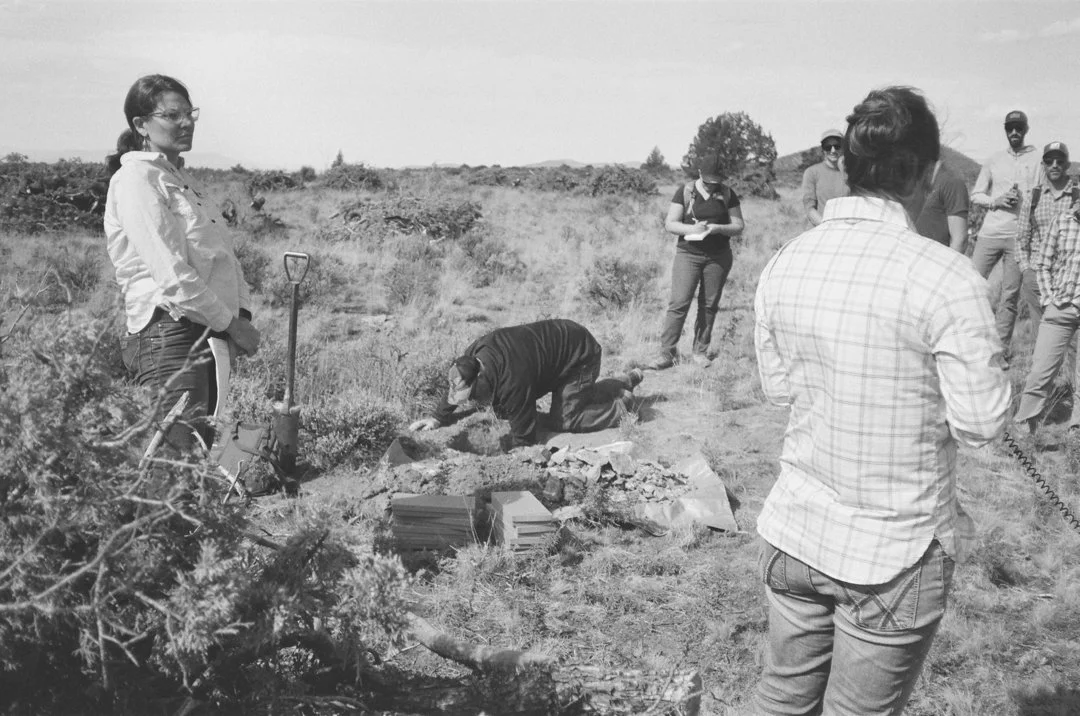
Soil scientist Jenni Moffett (NRCS) explains to SageCon Summit attendees the value of digging soil pits as a part of evaluating the site potential prior to designing a restoration treatment.
Photo: Damon Brosnan
The first principle, soil stability, describes how well a soil can resist physical disturbance, such as compaction from cattle trampling or erosion caused by spring runoff after a fire or a high-snow year. We want our soils to maintain their structure because this means they will also maintain their function as the medium from which life grows. Let us explain: Soils are made up of sand, silt, clay, and rocks, along with organic material from decomposing plant, animal, and microbial remains. Sand, silt, clay, and rocks create pore spaces that allow water and air to move through the soil profile, while organic matter binds the mixture of unconsolidated minerals and acts as a reservoir of nutrients for plants. Together, mineral and organic matter form a physical structure that retains the air, water, and nutrients required by plants to grow. Plants, in turn, contribute organic material that further improves the stability of the soil, helps release micronutrients from soil particles, and fosters an active microbial community, which is needed for organic material to be processed into plant-available nutrients. In other words, greater soil stability provides a better environment for forage production, and better forage production creates more stable soil.
The second principle of rangeland soil health is the biotic integrity of the soils, which is a fancy but concise way of saying: do soils have active micro-fauna and microbial communities (bacteria, fungi, and archaea)? Soil microbes break down organic material to make nutrients (such as carbon, nitrogen, and phosphorus) more available, while also creating soil structure and stability through binding mineral soil particles together with glomalin (a sticky protein substance that acts like glue). 'Biotic integrity' also includes macrofauna, such as earthworms, ants, termites, millipedes, mites, and centipedes, as well as microscopic water-borne creatures like nematodes, that provide the critical support system for decomposing organic materials and aerating soils. In our rangelands in Oregon, having a mix of perennial grasses and forbs in addition to some woody plants (depending on your location, of course) is necessary for creating the diversity of soil fauna and microbes required to support healthy, active processing of organic material in soils that support highly productive ecosystems. Each of these plant functional groups have roots that grow to different depths and therefore, help stabilize the soil not just at the surface but sometimes down three to four feet or more. Having a variety of plant functional groups also allows deeper water infiltration into the soil, increasing the amount of water stored for plant growth during the hot, dry summer months.
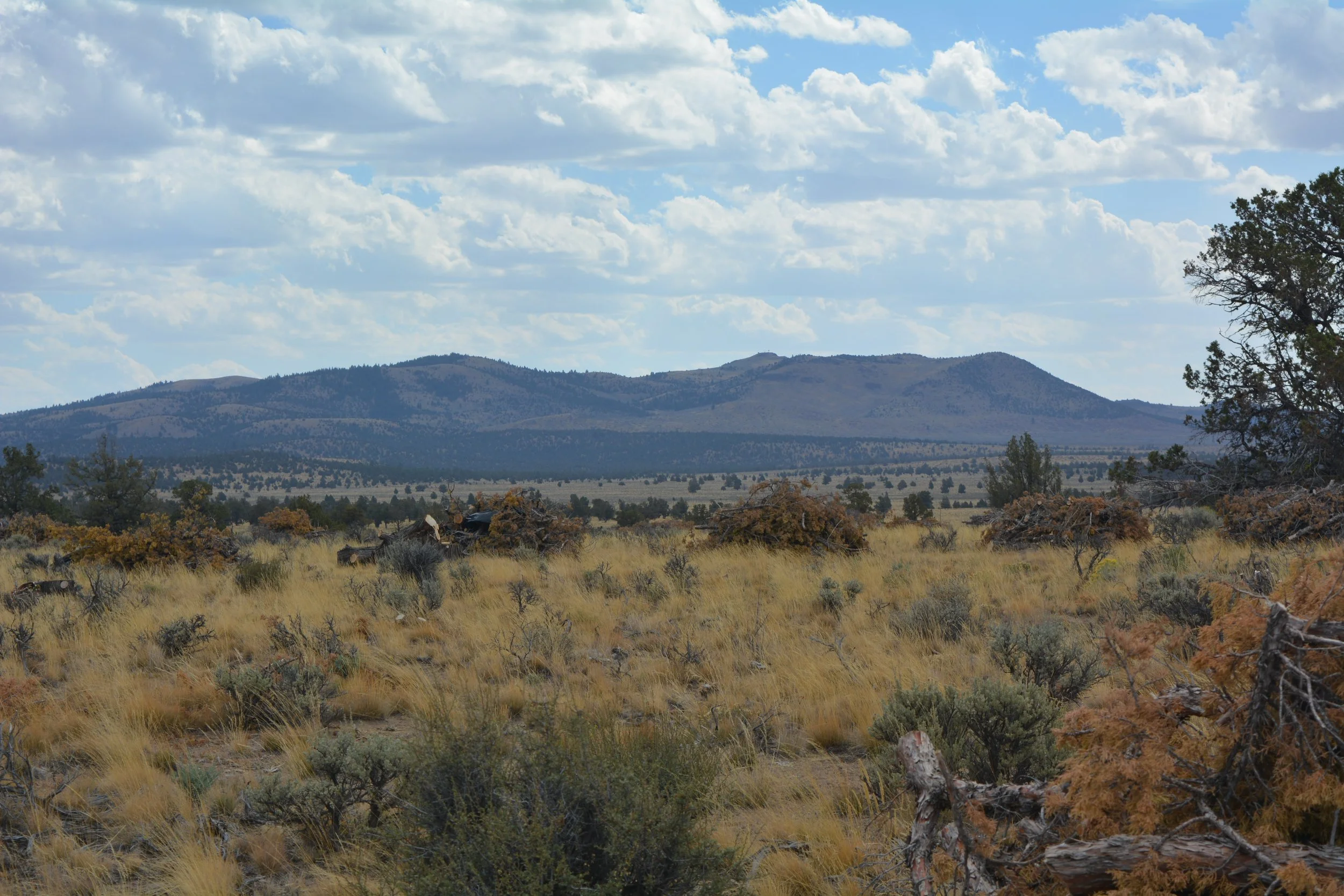
Photo: Alex Dohman
The third and final principle associated with rangeland soil health is hydrologic function (also known as water connectivity), which describes how water moves into, through, and across soils. This movement of water is important for plant nutrient acquisition because it is the way in which nutrients are transported to plants. As it rains, or when snow melts, healthy soils (with good structure) absorb water at the surface, and the water easily infiltrates deeper into the soil through air pores created by roots and macrofauna. A more stable soil has a greater quantity of pores and roots, and therefore, can move more water deeper into the soil, which provides critical water stores, allowing productivity to persist into the summer drought. A wide range of plant functional groups ensures deeper water penetration into the soil, given the diverse rooting depths across functional groups. For example, sagebrush act almost like a pump designed to facilitate water infiltration deep into the soil profile. Sagebrush helps capture snow, and as it melts out that water can recharge deeper into the soil where the perennial grass roots can access that water in July, August, and September for leaf growth. When soils lack organic matter or diversity of plant functional groups, they can become compacted, leading to reduced water recharge, increased erosion potential, and reduced pasture resilience to major disturbances.
The three principles of rangeland soil health mentioned here have measurements associated with them that can be done by someone at your local NRCS office or by you with materials you likely have in your shop. Managing with soil health in mind is essential for understanding grass production potential and its resilience, as well as the resilience of the land to fire and drought. If you would like to learn more about soil health on rangelands and how to monitor soil health, please consider attending the soil health workshop held in conjunction with the SageCon Summit on September 30th in Burns, OR. Information about the workshop will be located on the SageCon Partnership website later this spring. After the workshop, all workshop materials, including the various soil sampling methods for each principle, will be available through the website.
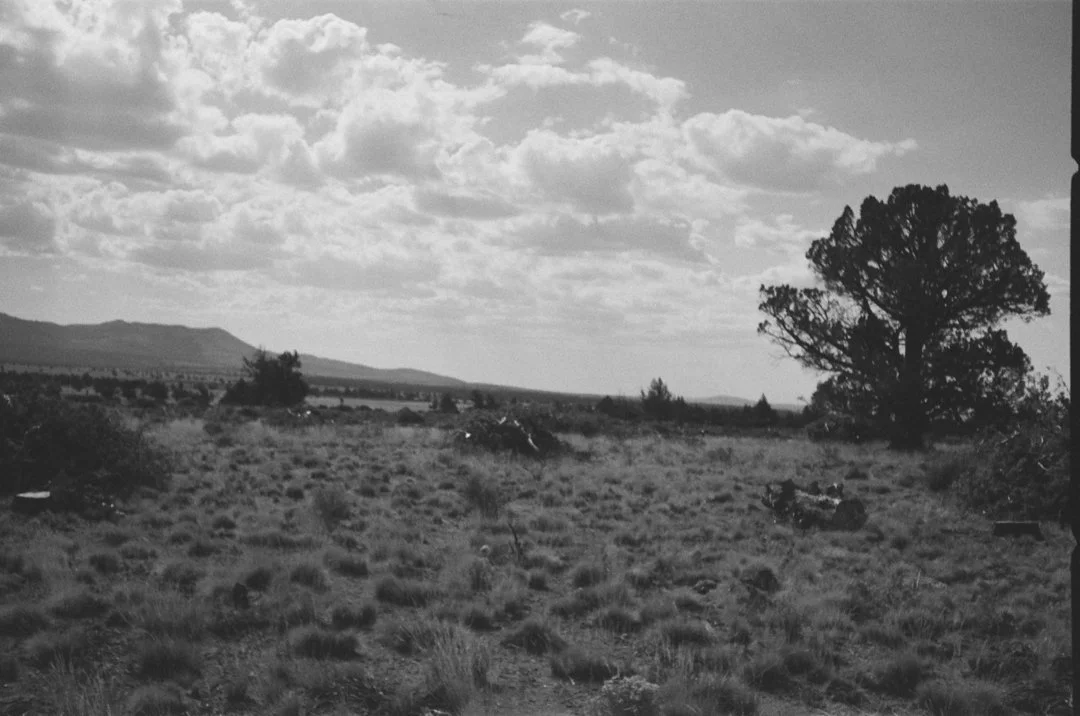
Photo: Damon Brosnan
Rory O'Connor - PhD. USDA—ARS, Eastern Oregon Agricultural Research Center
Toby Maxwell - PhD. Oregon State University - Cascades
Savannah Adkins - PhD., ORISE Research Fellow at USDA-ARS,Eastern Oregon Agricultural Research Center