

Meet the Tri-Corner Community Collaborative
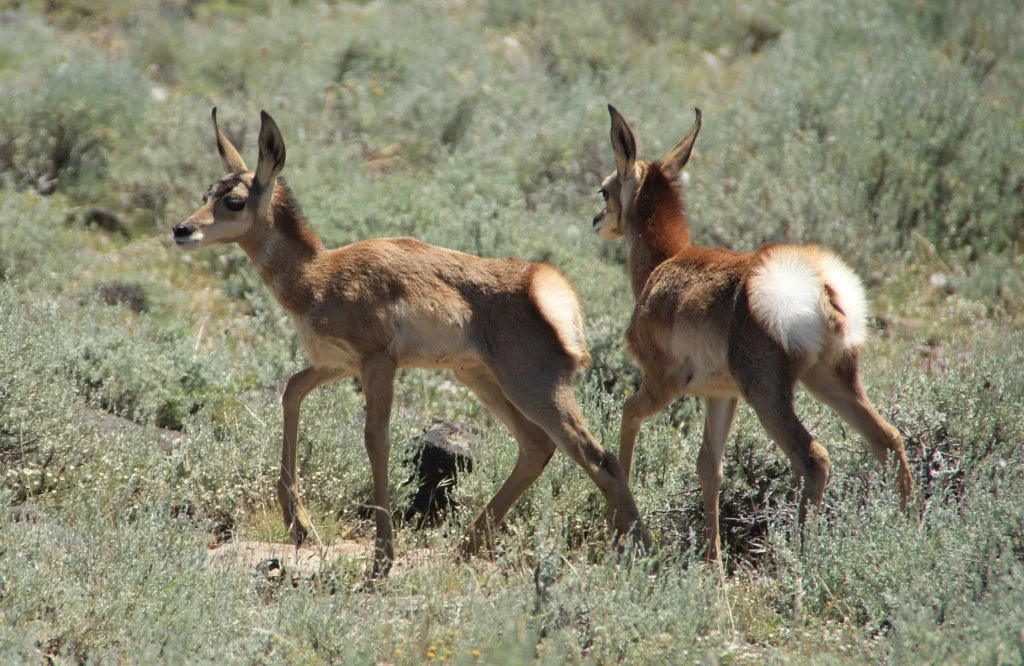
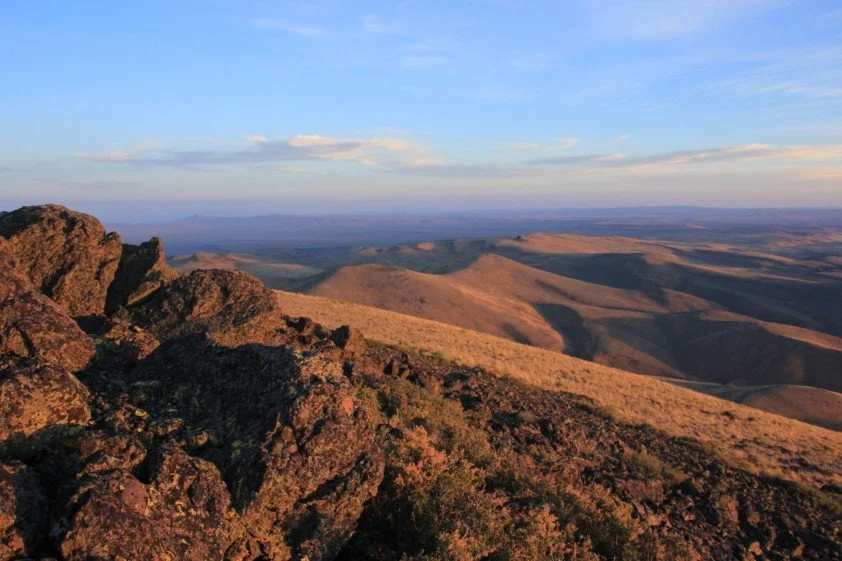
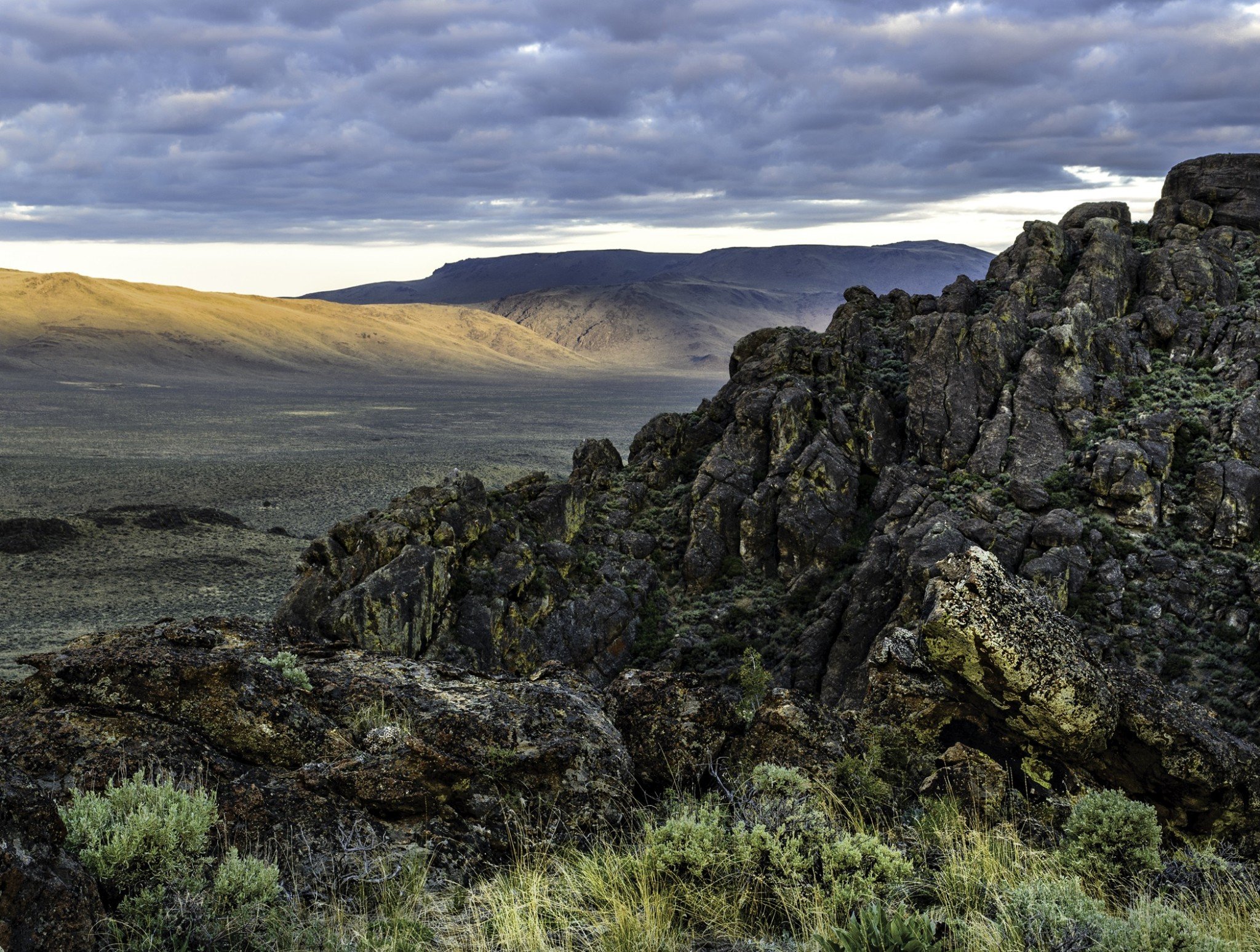
In one of Oregon’s most remote corners, pressed against the California and Nevada borders, you'll find the Tri-Corner Community Collaborative (TCC), an initiative of local community members, federal and state agencies, ranchers, hunters, and conservation advocates, all working to preserve and manage this unique landscape. Wildlife thrives in this vast corridor of sagebrush steppe that provides essential habitat for migrating pronghorn, lekking sage-grouse, and hundreds of other plant and animal species. The remoteness creates another striking feature: the darkest sky in the continental United States. This place is special, and the community wants to keep it this way.
A key impetus for launching the TCC was born out of a visit to Washington, D.C., when the landscape between Hart Mountain and Sheldon National Wildlife Refuges was being considered for addition to the refuge complex. Although protection is important for the landscape's health, the protected classification would halt grazing, a critical economic necessity that has been occurring here for over a century and is now monitored using the BLM’s land health standards. Inspired to support economic and environmental health, the community decided to come together and demonstrate that they will continue to manage the resilient landscape effectively, empowered by local and regional sensibilities rather than a preservation status imposed from afar.
I think this is a reference to the often-quoted stat of “over 350 species of plants and animals of conservation concern” rely on habitats in the sagebrush biome. The key thing about that quote is the reference to “of conservation concern”. It would be a different number if you were only referring to plants or only referring to animals, and it would be a much, much larger number if you didn’t have the qualifier of “conservation concern”.
I’d like to broaden this message slightly, because though this is indeed the key interval that launched folks into action, there were other considerations/motivations for coming together, and I wouldn’t like to have the TCC accidentally recharacterized as merely a collaborative that exists for anti-preservation purposes, because it would represent the collaborative as less credible to some, and less durable than I believe the TCC to be.
The Beaty Butte Grazing Association leases over 400,000 acres of public land managed by the BLM through just a few grazing permits. A significant portion of the Tri-Corner area is in Lake County, which is home to roughly 85,000 head of cattle and about 8,000 people – with cattle outnumbering people 8:1, grazing is a huge economic way of life. Beyond economics, this community also values the ecological and cultural heritage that this critical landscape supports. TCC's mission is to support existing stewardship of these lands and support ecological, economic, cultural and social values into the future, with the shared mentality that "this is our backyard!”
As a collaborative, this group has the greatest stake in the land’s long-term viability. This is people's livelihoods and their passion. Initially, getting this group off the ground was difficult due to people needing to gather from across an area that is so isolated and remote. But everyone saw the value in this partnership and established shared goals early in this process. Even though the participants are spread over hundreds of miles, this effort is community-driven, leveraging the experience and expertise of partners with decades of experience in the Oregon Outback. Autumn Muir from the Oregon Desert Land Trust Board appreciates how everyone leans on and trusts one another, despite their many backgrounds and roles. Like many collaboratives, it takes time and a lot of dedicated work — typically outside of people's normal day jobs. What makes this collaborative different, and ultimately successful in its three years, is the community buy-in and trust. The members of the TCC travel far to attend meetings in person, leaving rancor at the door and prioritizing a mission that focuses on common ground.
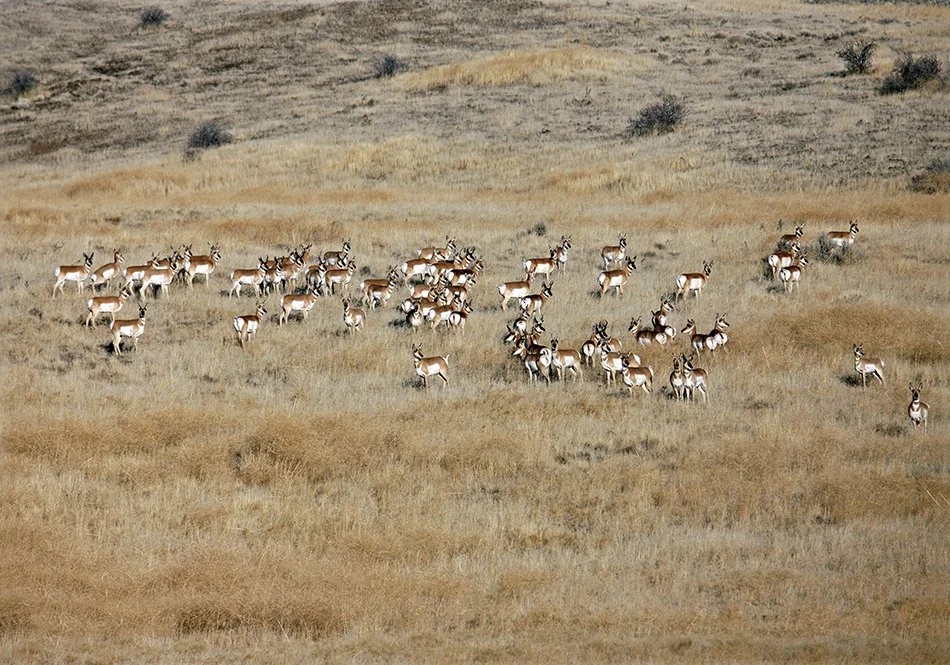
Now, the TCC is setting some big goals for this landscape and community! They are putting together a Strategic Action Plan, utilizing tools like the SageCon Landscape Planning tool to identify where to invest. They continue to find opportunities for invasive annual grass management, cooperative wildfire management, and maintaining or improving habitat integrity for wildlife. They are exploring new projects like employing virtual fences to fine-tune grazing rotations without creating new barriers to wildlife migration, especially for the pronghorn antelope in this area. These approaches maintain economic lifelines while supporting the health of the landscape through intentional innovation, keeping communities engaged and present in a landscape that will continue to need care and attention in the face of drought, wildfire, and vegetation change.
Looking ahead, they are applying for new grants to fund the implementation of well-supported stewardship and restoration projects. While BLM manages the majority of this land, the team sees the value of bringing together many perspectives: “Our success goes to the individual members, but you cannot be successful without an awesome facilitator to keep things on track.”, says BLM District Manager, Todd Forbes. With a strong background in both the science and policy of the sagebrush sea, Anya Tyson of The Nature Conservancy is an excellent resource, but what sets her apart is the sense of inclusion that she brings to the meetings. By ensuring all voices are acknowledged, we can expect more lasting solutions.
Though this collaborative still considers the work to be in its infancy, they know there is power in numbers, and when we all come together for a common purpose, it is unstoppable. Valuing communication, regular check-ins, and educating one another, a collaborative like this allows the community to make decisions about what is happening in their own backyard at the local level with the mentality of “We're all in this together!”
You can find the TCC meeting minutes on the SageCon website, or reach out to tricornercollaborative@gmail.com